Historic Preservation Graduates Present at APT Conference

Two recent Historic Preservation graduate students, Eliza Blackman (MSHP ‘21) and Ali Wysopal (MSHP ’21), will present their student research projects at the Association for Preservation Technology International’s (APT) annual conference this October. Both graduates were awarded scholarships as part of the APT Student Scholars program, a jury-selected scholarship from APT that funds their participation in the conference, and provides them with mentorship and networking opportunities.
Blackman and Wysopal join a growing number of APT Student Scholars from the School of Architecture’s Historic Preservation Program. Recent scholars include Barbara Cortizo de Aguiar (2020), Karen Kincaid Brady (2019), Magdalena Novoa (2019), Katherine Hill (2018), and Lori Martin (2018).
Both Blackman and Wysopal will present their research on Monday, October 25 at noon (CDT). Ali Wysopal as part of Track 1, “Revisiting Renewal: Evolving Past Transformations,” and Blackman as part of Track 3, “By the People, For the People: Civic Architecture, Public Spaces, and Infrastructure.”
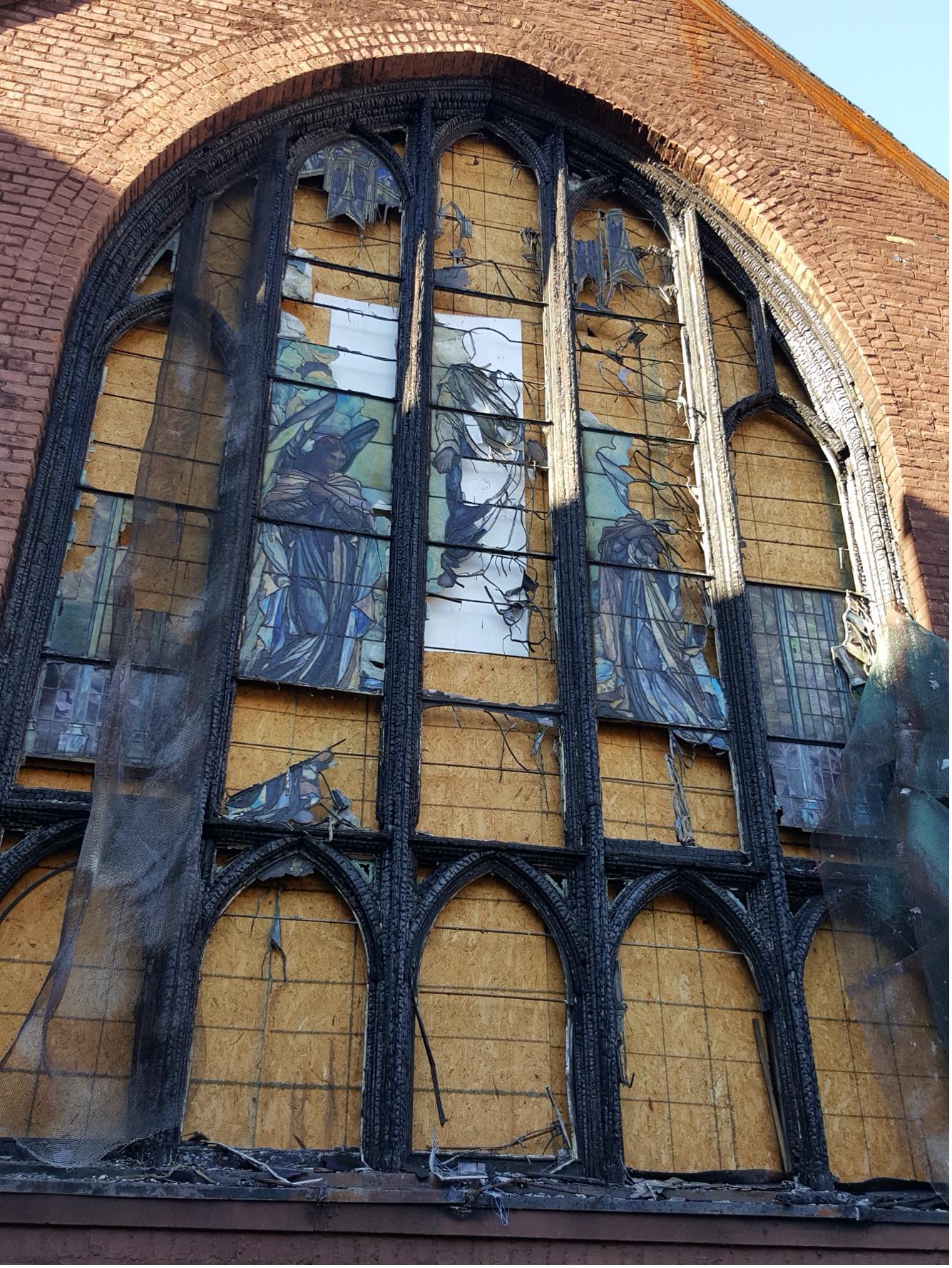
Ali Wysopal, Assessing the Damage: How Scanning Electronic Microscopy Can Aid in the Examination of Fire-Damaged Stained Glass
Based on her graduate thesis, Wysopal’s presentation will focus on the conservation of fire-damaged stained glass. Utilizing sacrificial opalescent glass material gathered from the fire-damaged remains of an early 20th century stained glass window by J & R Lamb Studio, Wysopal will demonstrate how scanning electron microscopy (SEM) can be employed alongside optical microscopy to garner a more complete understanding of the conditions present on fire-damaged glass. Her presentation will focus on the SEM analysis work, including backscattered electron imaging, electron backscattered diffraction, and energy-dispersive x-ray spectroscopy, and the results.
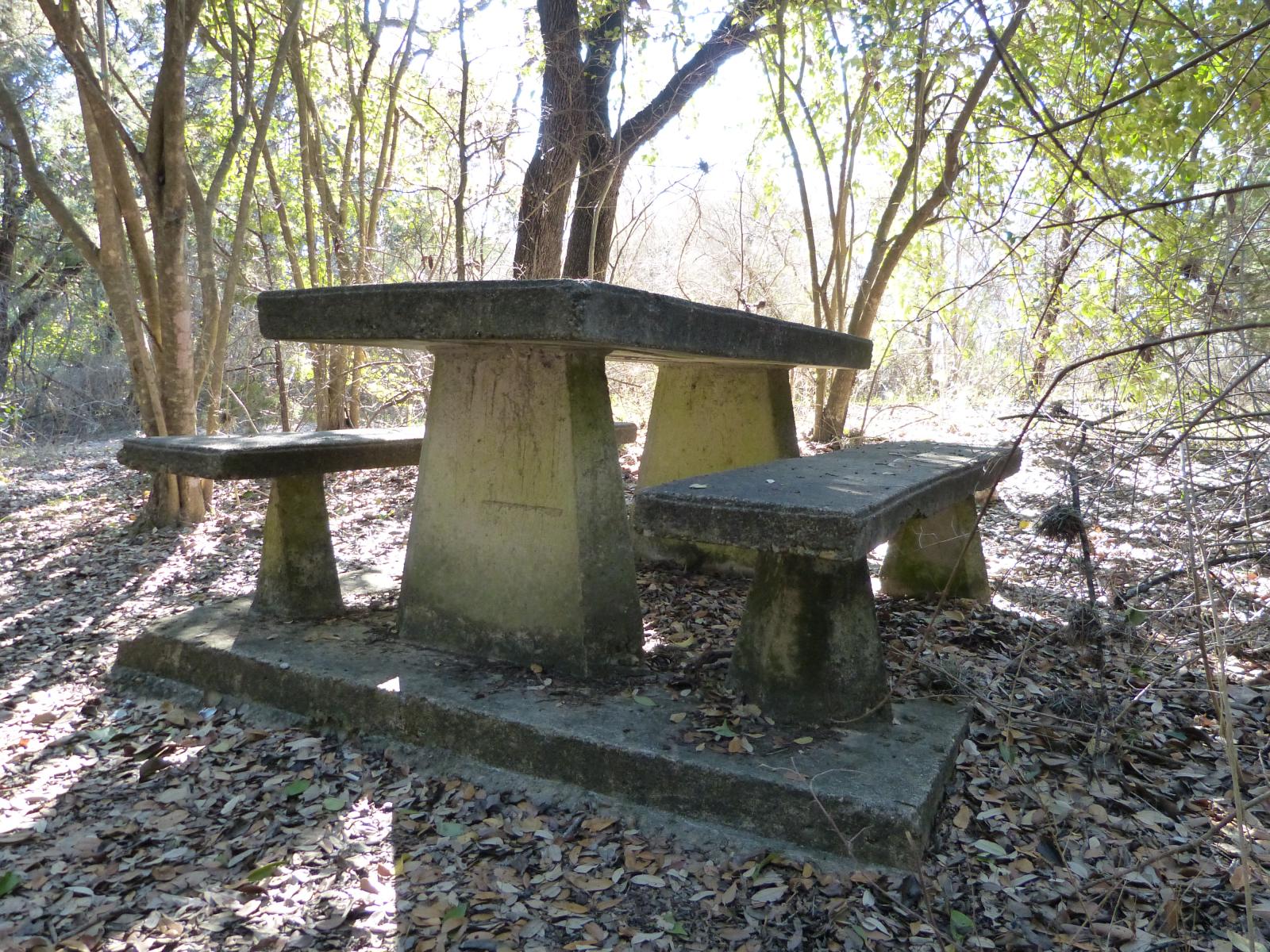
Eliza W. Blackman, “The Picnic Fever”: Preserving Historic CCC-Era Recreational and Picnic Areas, Concrete Furniture, and Equipment in Zilker Metropolitan Park
For Blackman’s independent study project, she worked with the City of Austin Parks and Recreation Department to document and assess the conditions of Civilian Conservation Corps (CCC) era concrete furniture installed in Zilker Park. Over the decades, these historic resources have undergone much ad hoc repair work and exhibit a variety of deterioration issues. By looking at these resources with a historic preservation lens, Blackman’s research provides a framework for preserving these units in Zilker Park, as well as similar historic CCC park infrastructure across the state’s park system.