ARC 327R, ARC 386M
TH 2:00 – 5:00pm, SUT 2.114
Open to all ARC students
Instructor: Carlos Blanco
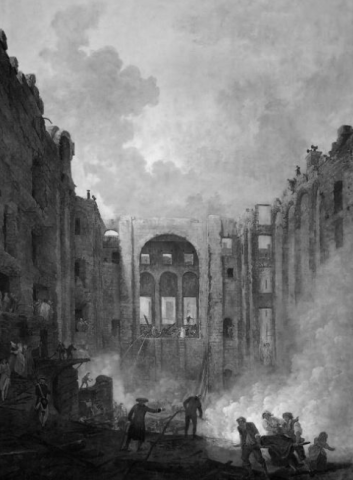
“Ruinification” posits that what we build will inevitably transform and fall. Over time, human intervention, environmental forces, and neglect slowly and continuously alter our built environment, piece by piece. Thus, buildings are never static or ever “finished” and, in reality, face cycles of use, adaptation, decay, repair, growth, and, in many cases, eventual obsolescence.
This course introduces architectural discourse through theoretical and architectural investigations and develops an analytical understanding of ruins and architectural decay, examining the causes and effects of a building’s life and fall across times, landscapes, and cultures. Through a series of assignments that observe, document, draw, and speculate on acts of ruinification and alteration, students will develop a robust inquiry into how architectural ruinification is an ongoing process, capable of producing unexpected spatial, material, cultural, and artistic appreciation.
This seminar is about architectural discourse and drawing that view ruinification as an adaptive and speculative act of the built world. By understanding ruins, we can see pre-, current, and post- conditions across scales and elements: objects, buildings, and urban cores. Working with what already exists requires carefully juggling multiple, often conflicting entities at once and placing one element in relation to another. Architectural “otherness” matters, as unlikely combinations of structures, materials, and programs can create fertile conditions for new realms of co-habitation, urbanity, and ecological adaptability.
The seminar aims to help students see ruins as poetic and symbolic elements that reveal degradation, growth, change, and the constant flux of spaces and architecture, especially when maintenance or care is not at the forefront. In addition, students will critically examine why ruins exist—investigating post-war effects, environmental conditions, and human/governmental violence (e.g., riots). Through a series of historical anecdotes and case studies, analytical drawings, and short film screenings, students will be guided in conceptualizing the embodied energy of buildings and/or spaces through fragmented memories.