Ibarra-Sevilla Appointed Associate Director of Research Initiatives for LLILAS

Associate Professor Benjamin Ibarra-Sevilla has been appointed the Associate Director of Research Initiatives for the LLILAS Benson Latin American Studies and Collections. A longstanding collaborator with LLILAS Benson, Ibarra-Sevilla will join their leadership team and work with the Teresa Lozano Long Institute of Latin American Studies Director, Adela Pineda, to foster international partnerships with Latin America and to develop faculty and student-led research initiatives.
Housed within the College of Liberal Arts, the Teresa Lozano Long Institute of Latin American Studies (LLILAS) is an interdisciplinary program integrating more than 30 academic departments and over 170 faculty across the university. The School of Architecture has had an enduring relationship with LLILAS for years, with students and faculty collaborating on projects, and the school even offers a dual degree in Latin American Studies and Community and Regional Planning. Several School of Architecture faculty members serve as LLILAS Associate Faculty, meaning at least 25% of their teaching and research activities focus on Latin American and Caribbean issues. In addition to Ibarra-Sevilla, LLILAS Associate faculty from the school include Professor Juan Miró, Assistant Professor of Practice Juana Salcedo Ortiz, Professor Bjørn Sletto, and Assistant Professor Miriam Solis.
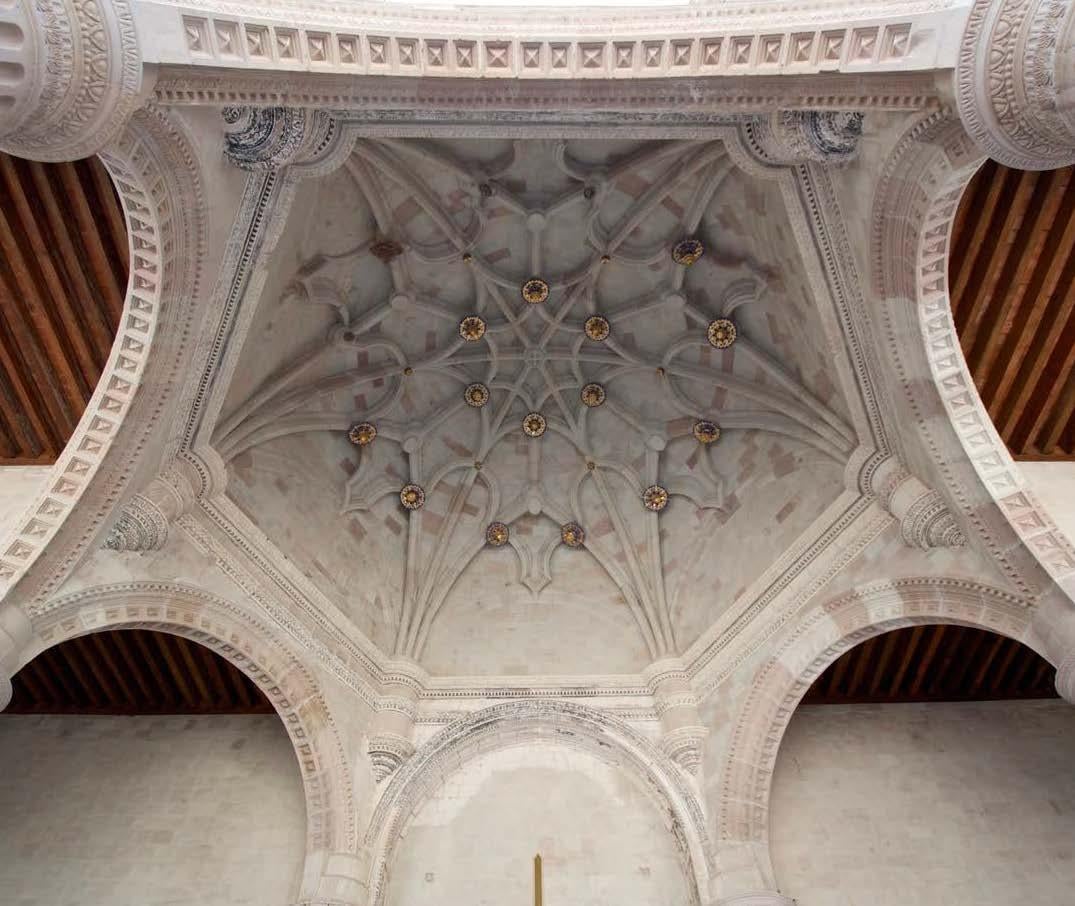
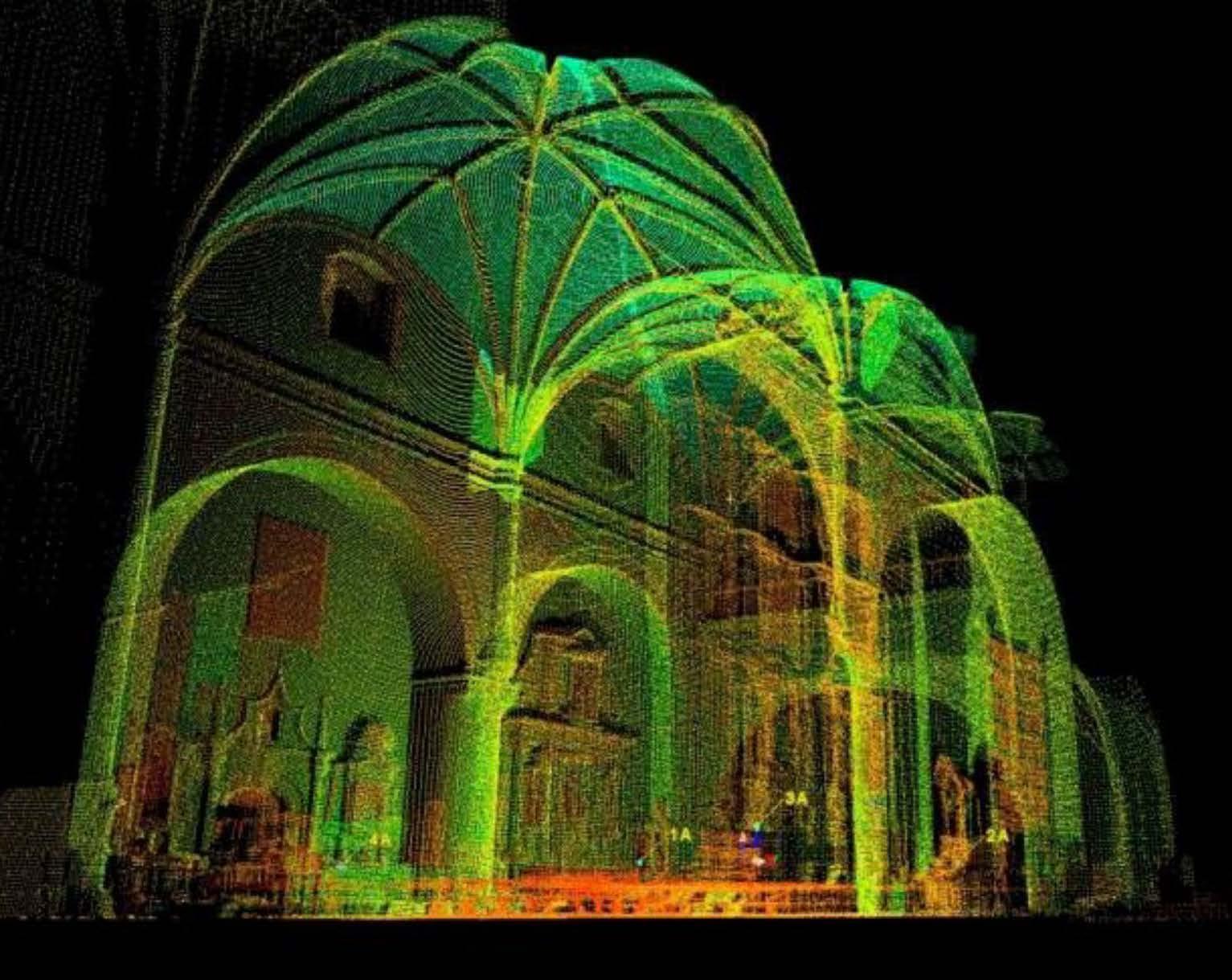
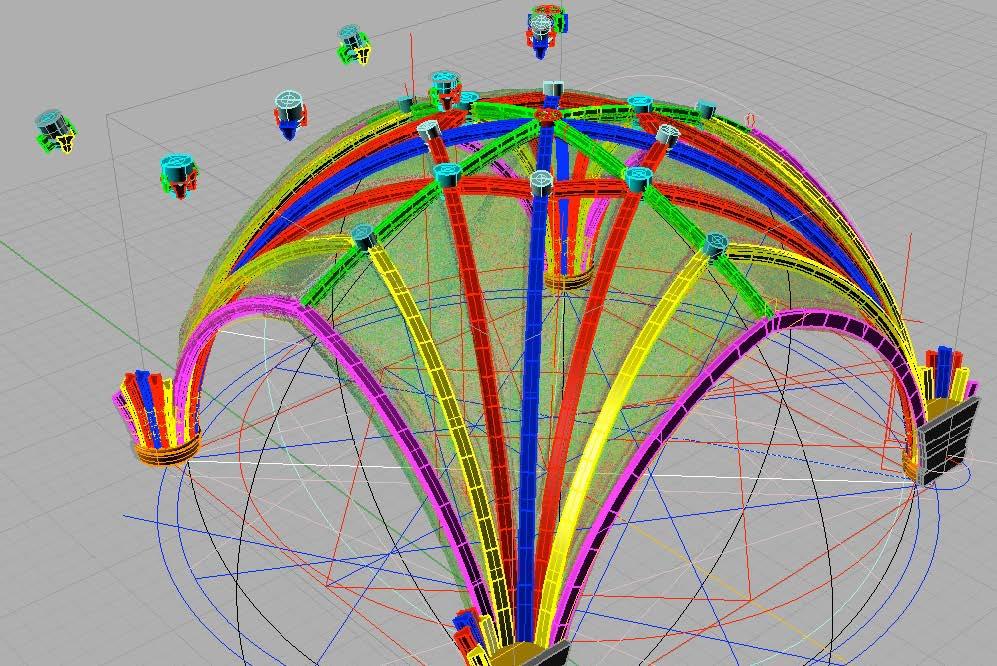
As LLILAS’ Associate Director of Research Initiatives, Ibarra-Sevilla will strengthen the School of Architecture’s collaborations with LLILAS and affiliated faculty across the University. Within the School of Architecture, Ibarra-Sevilla serves as the Program Director for Advanced Studies and the Program Coordinator for the Master of Science in Historic Preservation. His research and work focus on the transmission of building technology from Europe to the Americas, exploring the constructive and geometric analysis of sixteenth-century ribbed vaults in Mexico. His masonry, geometry, and stereotomy work has been recognized internationally, including the Best Publication from the Latin American Biennale and the Phillip Johnson Award by the Society of Architectural Historians. Ibarra-Sevilla’s book exploring sixteenth-century churches in the Mixteca region of southern Mexico, Mixtec Stonecutting Artistry, was published by the National Autonomous University of Mexico, and his exhibition, holding the same name, traveled for two years through six cities of Mexico and the United States.
Recently, Ibarra-Sevilla served as the faculty lead for the School of Architecture’s involvement in the Universidad Nacional Autónoma de México (UNAM)’s Feria Internacional del Libro de las Universitarias y los Universitarios 2023 (FILUNI). He is a graduate of UNAM and holds a degree in Historic Building Conservation from the Carolina Foundation and the University of Alcala de Henares.
We look forward to seeing the ways that Benjamin expands the school’s partnerships and collaboration with LLILAS.