Students Explore Adaptability of the Athenian Polykatoikia in Professor Kyriakou’s Advanced Studio

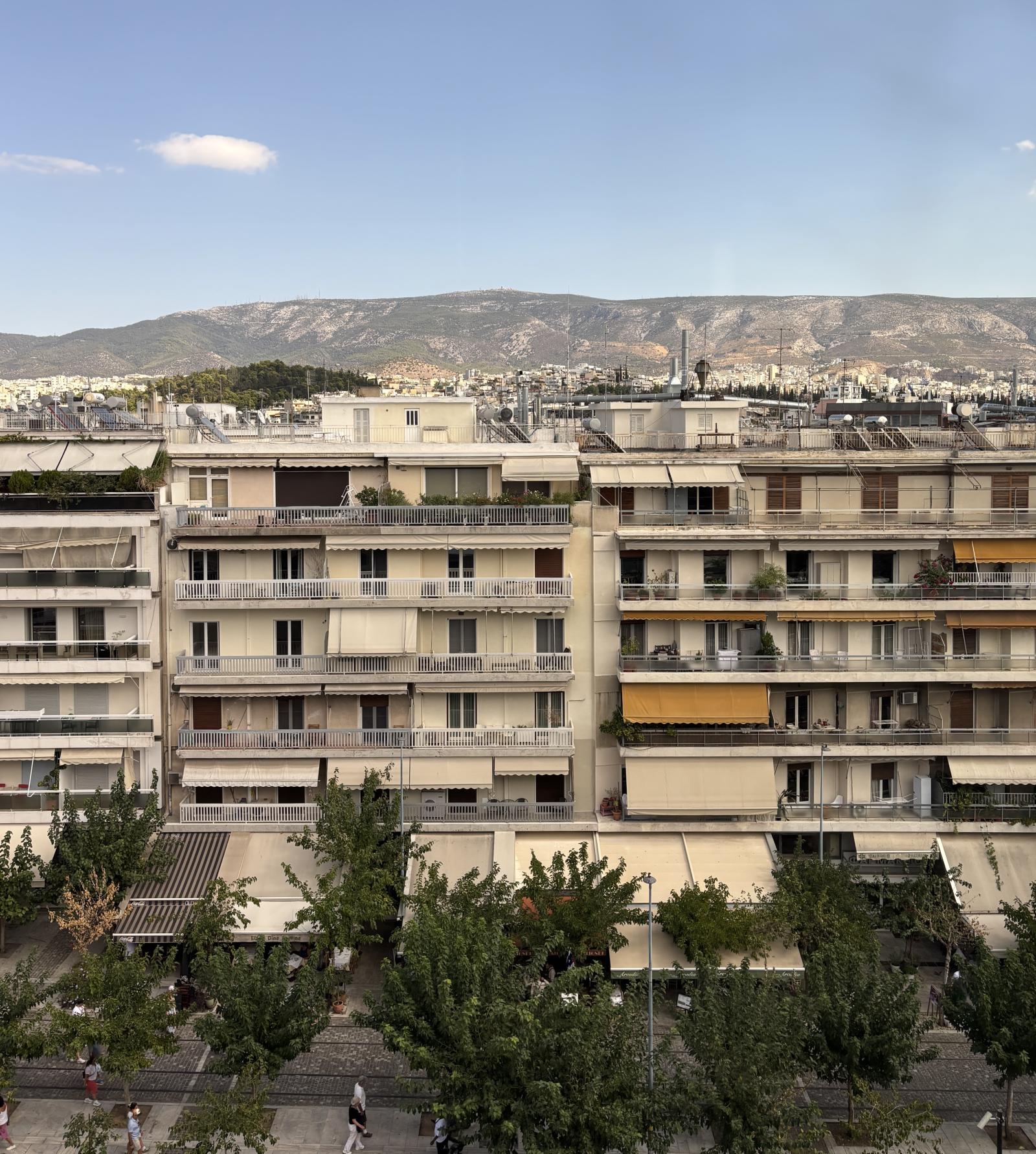
Assistant Professor of Practice Kyriakos Kyriakou’s Fall 2025 advanced studio led students to explore this remarkable post-WWII Athenian infrastructure and its potential as an adaptable skeleton for future use. Peppered throughout the city, these structures form a structural fabric across many blocks that is inseparable from the experience of the urban environment. Approaching nearly 100 years old, the polykatoikia have proven themselves to be resilient, and despite their imperfections, they serve as an opportune landscape to inherit considering Athens’ growth as a tourist destination.
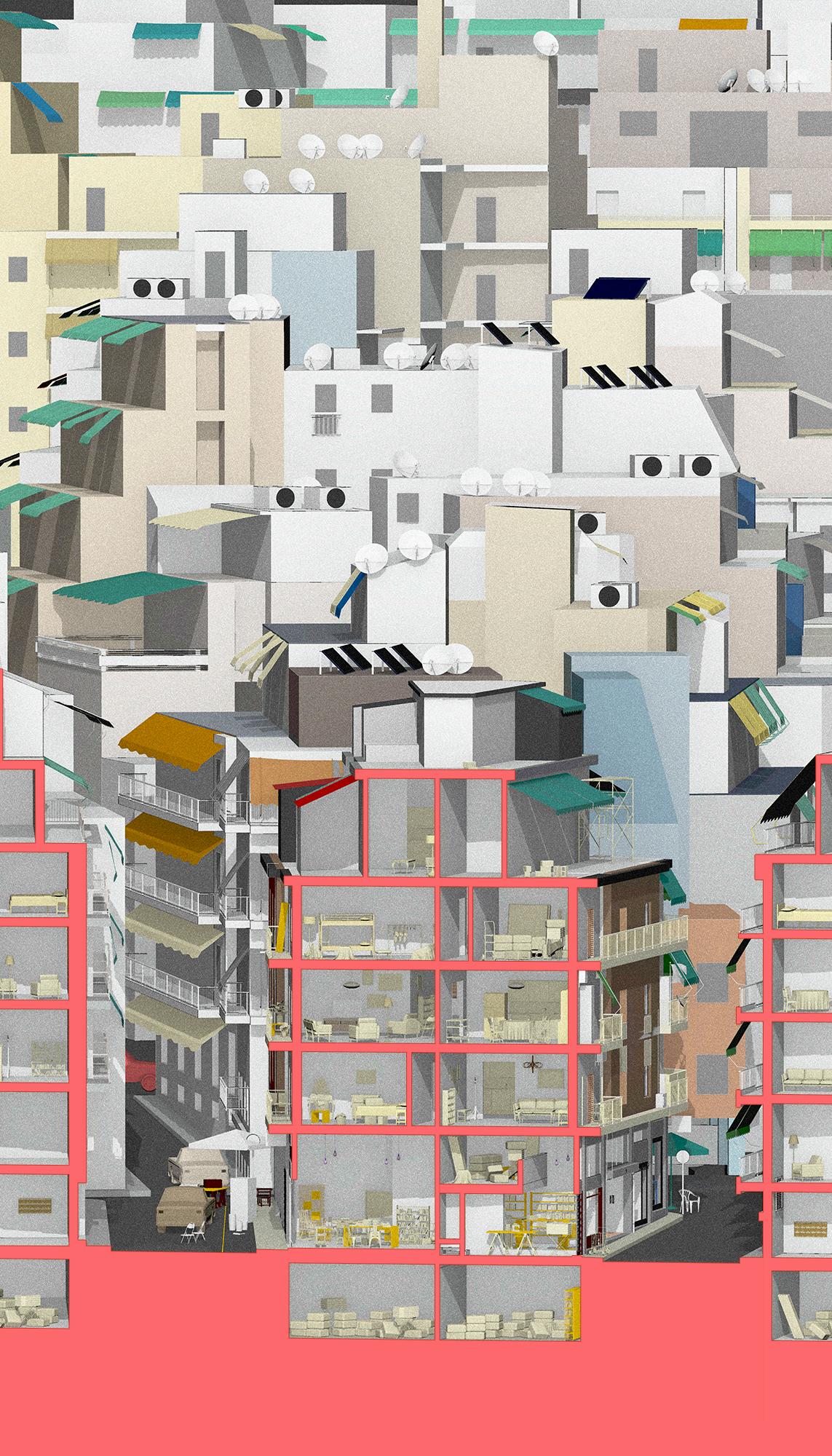
The studio “Metabolizing the Athenian Polykatoikia” began with forensic investigation, tasking students to complete a detailed digital survey and 3D model of their chosen polykatoikia and the block it sits in. This model was translated to axonometric drawings at two scales: one for the building and one for the block—an essential process to ensure students understand the relationship between part and whole. Professor Kyriakou saw this digital survey as “an entry point to Athens and a seed for broader investigations on cultural, political, economic, and material characteristics of the city,” which then allowed the students to formulate a thesis question built upon their observations.
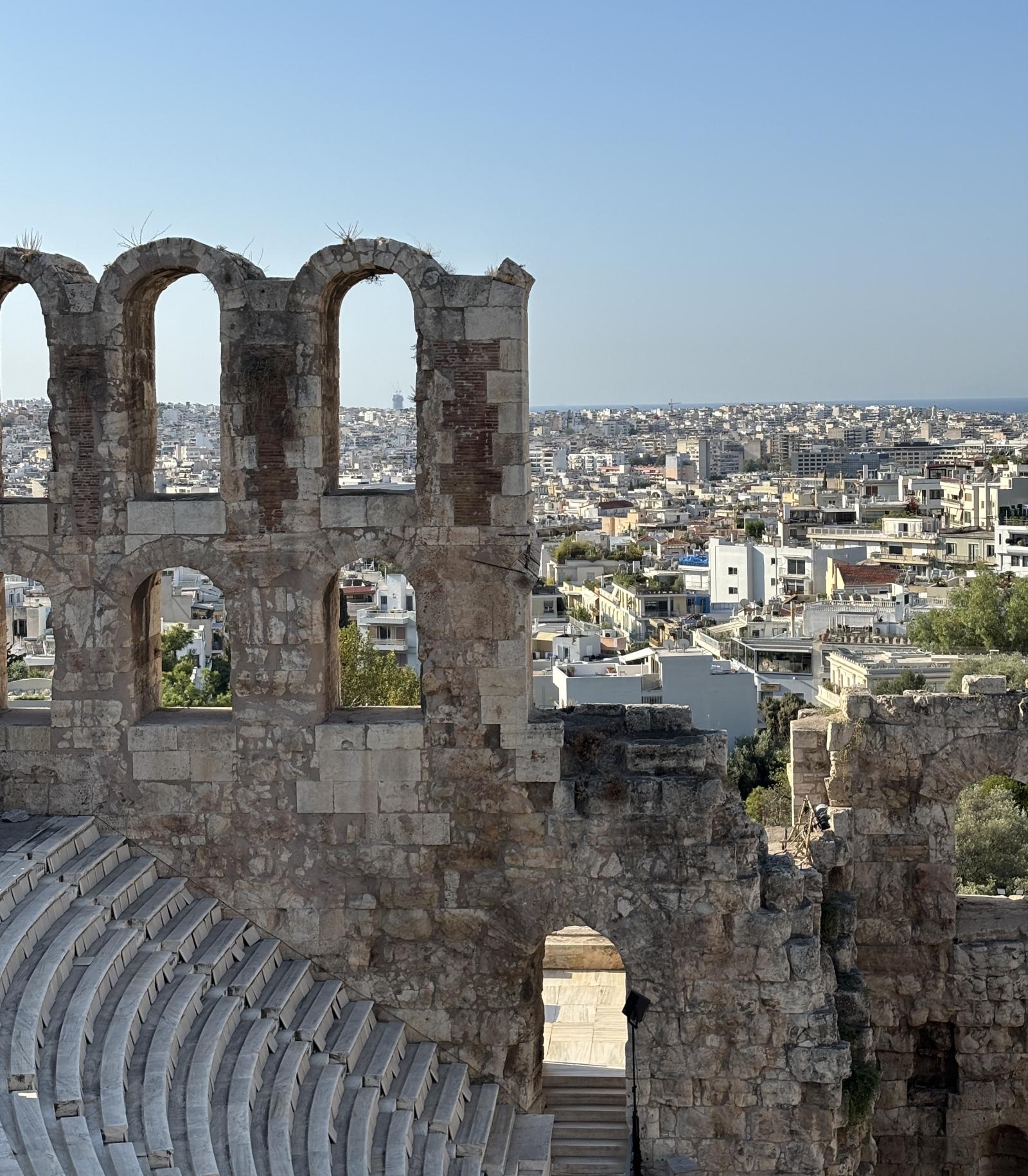
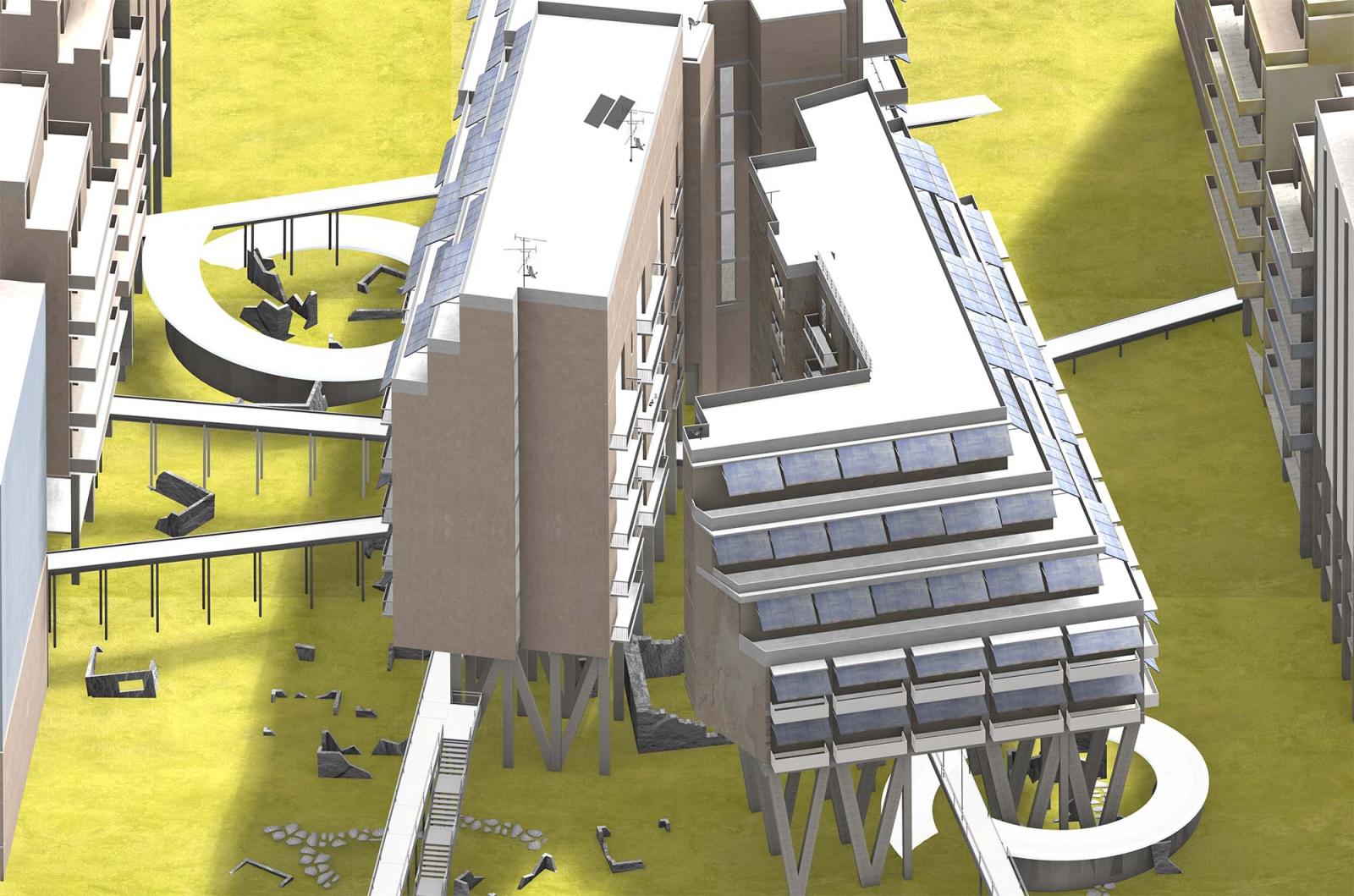
A trip to Athens followed, bringing the students to document their chosen buildings and its full city block in-situ. Conversations with local experts along with archaeological site visits wove a tapestry of context with contemporary, modern, and ancient histories. It was essential for students to fully grasp the political and structural settings that frame the concrete polykatoikia’s past and future. Equipped with new knowledge after their trip, students were challenged to identify an issue or opportunity with their chosen polykatoikia and drafted new policy that might allow new architectural proposals to be materialized. Their research and experimentation breathed new life into this sometimes neglected yet monumental facet of the built landscape of Athens, grounding their architectural work in the realities of the historical and political scale of building at the city level.