Designing When "Spacetime is Doomed" | Anthony Dunne & Fiona Raby
Designing When “Spacetime is Doomed”
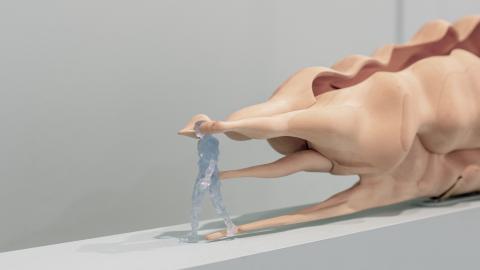
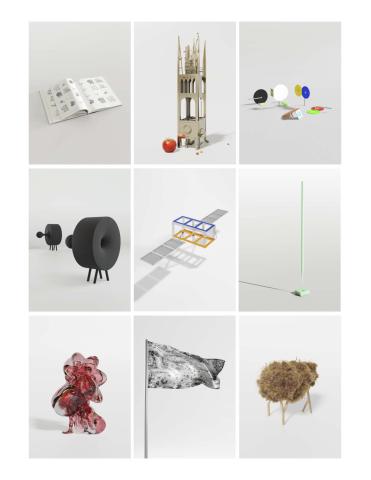
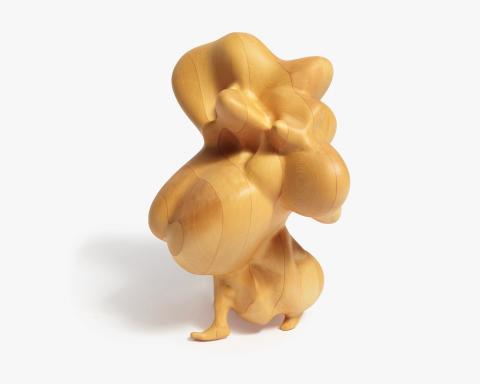
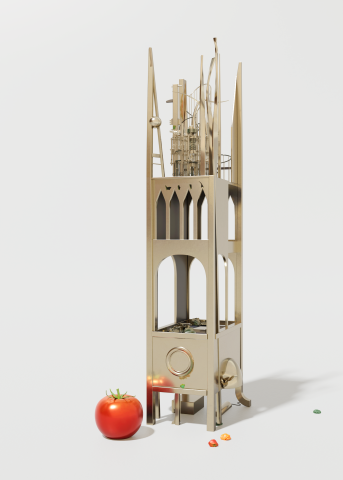
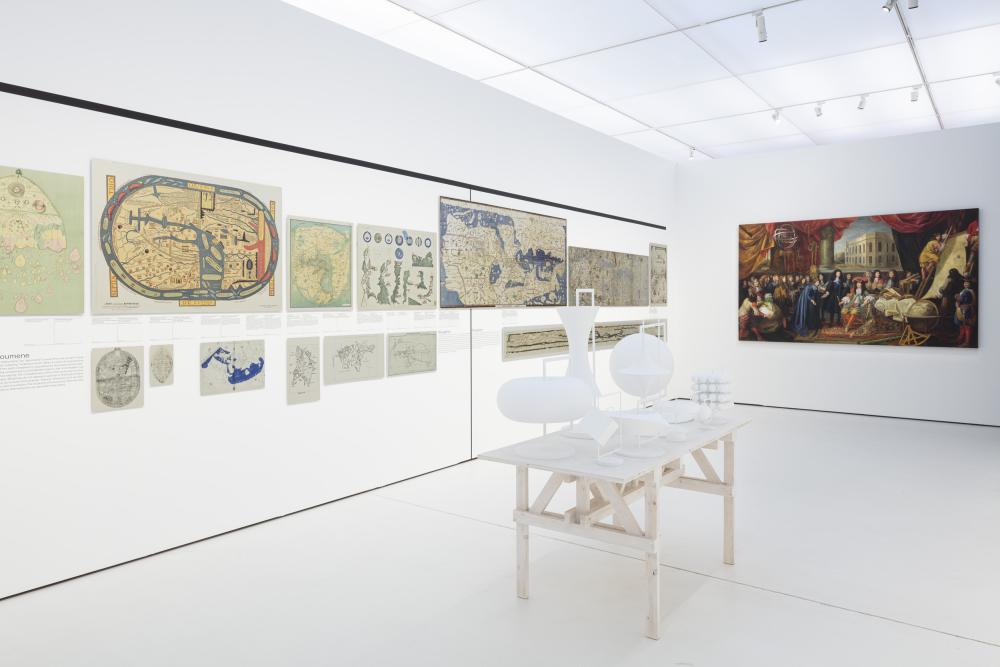
According to an increasing number of theoretical physicists, spacetime might not be as fundamental as we think and new theories could emerge that describe an even more fundamental reality, especially at the quantum scale. We find it fascinating that a concept we think of as so essential to our understanding of reality, might be reaching the end of its usefulness. A reminder that even our seemingly most stable intellectual structures are provisional and subject to revision. It feels like we are living at a moment when reality is beginning to exceed the human imagination: politically, scientifically, and historically, and for many people, including us, reality is beginning to feel unrealistic. By wrestling with the unthinkable and impossible, we believe design can enable a more meaningful engagement with the strange reality taking shape around us. A world where doubt, uncertainty and the unknowable are the new norms.
About Anthony Dunne & Fiona Raby
Anthony Dunne and Fiona Raby are partners in the design studio Dunne & Raby and Distinguished Visiting Professors at the China Academy of Art. Through design projects and writing, they explore how speculative forms of thought from science, philosophy, and literature can inform and expand design practice. Their books include Not Here, Not Now (2025), Speculative Everything (2013), Design Noir (2001 / 2021), and Hertzian Tales (1999). Their projects are in the permanent collections of institutions including the Museum of Modern Art, the Victoria and Albert Museum, and MAK, Vienna, and their research has been supported by the European Commission, Wellcome Trust, EPSRC, Arts Council England, Mellon Foundation, and industry partners such as Intel and Microsoft.
From 2016 to 2025, they were University Professors of Design and Social Inquiry at Parsons / The New School in New York, developing practice-led research and project-based teaching approaches that brought design, the humanities, and social sciences into conversation around new forms of interdisciplinary imagining. Between 2005 and 2015, Anthony was Professor and Head of the Design Interactions programme at the Royal College of Art in London where Fiona was Reader in Design Interactions, as well as Professor of Industrial Design at the University of Applied Arts in Vienna. They received the inaugural MIT Media Lab Award in 2015 and were named Royal Designers for Industry and Life Fellows of the Royal Society in 2021.