Historic Preservation and the National Park Service

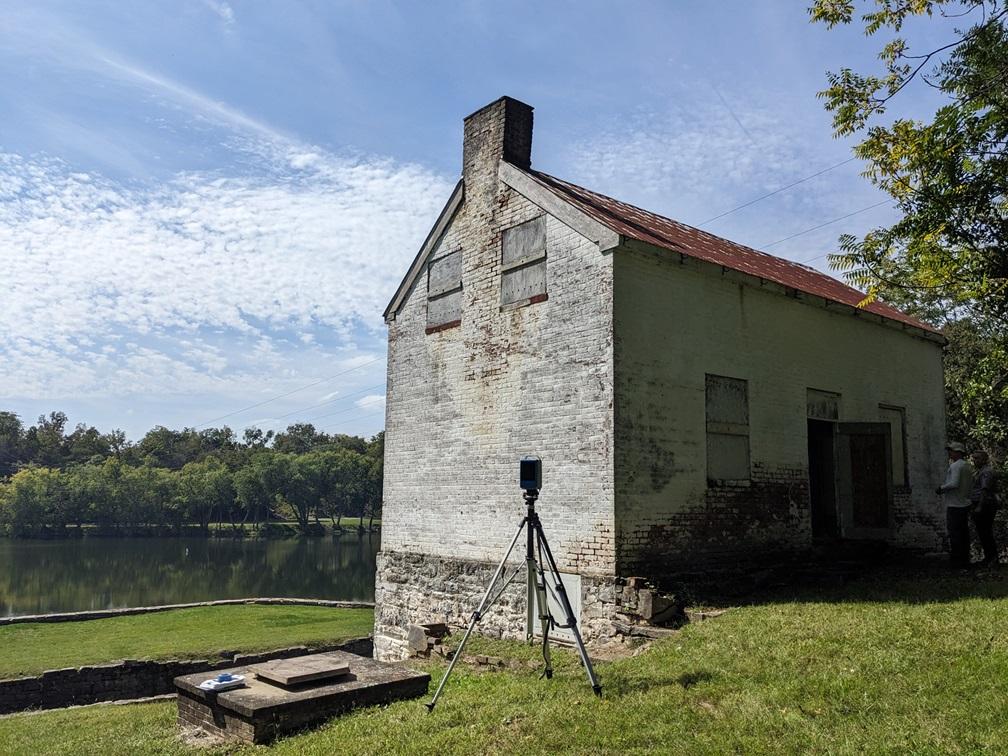
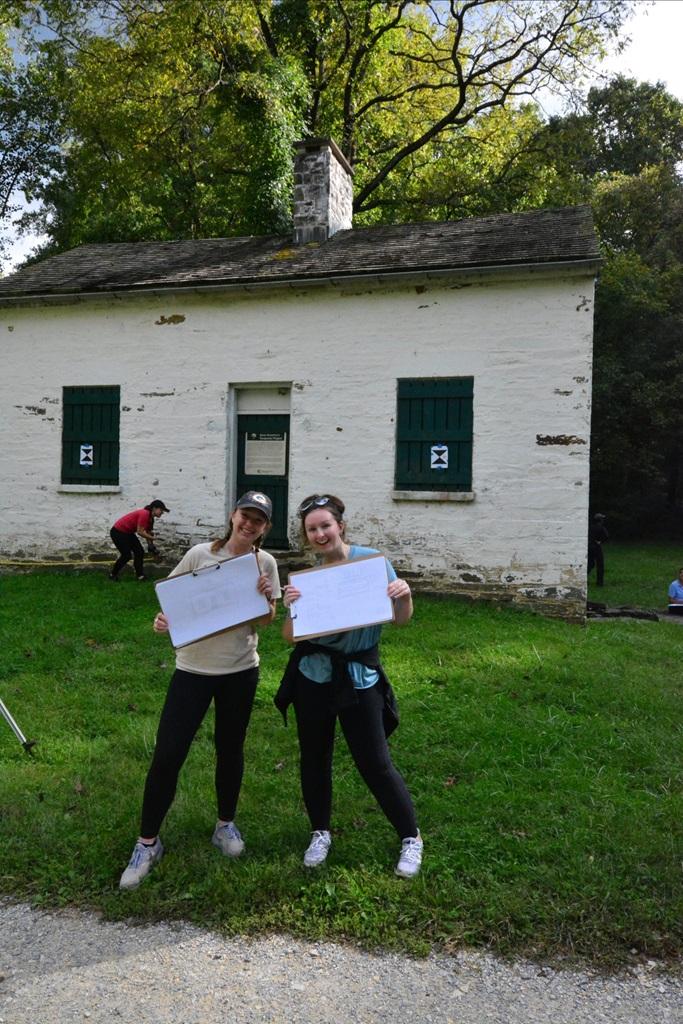
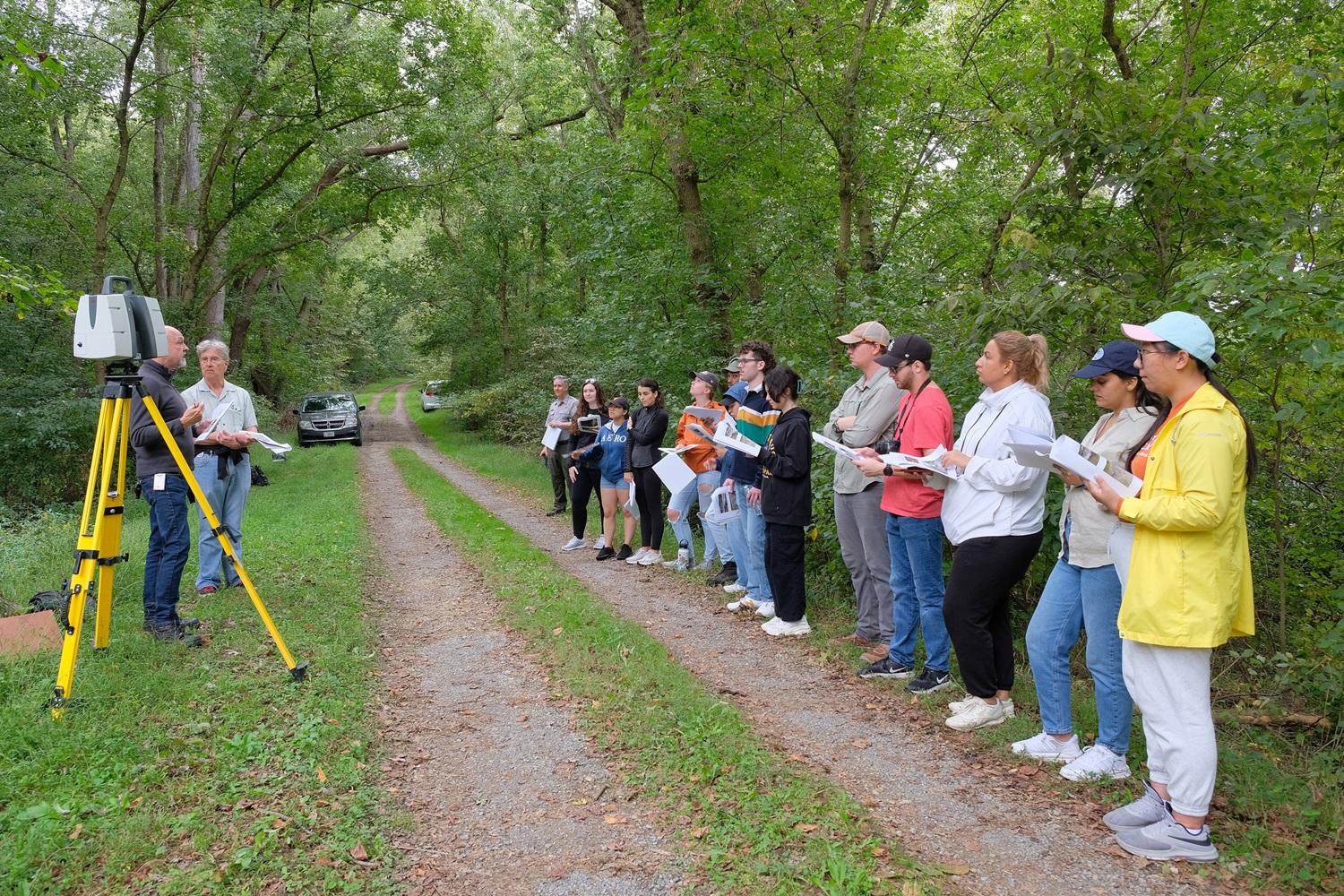
Last fall, students in Associate Professor Benjamin Ibarra-Sevilla’s Graphic Documentation class traveled to Williamsport, Maryland for four days of fieldwork in the Chesapeake and Ohio Canal Historic Park. Armed with sketchbooks, cameras, and laser measuring tools, they spent the visit documenting and learning about the historical significance of five historic lock houses within the park.
Built in the 1830s, these lock houses served as the residences for canal operators, or lockkeepers, along the Chesapeake and Ohio Canal, who were charged with moving boats through the lock at all hours, every day of the week. Managed and stewarded by the National Park Service, these historic structures are a significant architectural resource, illustrative of the social, cultural, and economic history of the waterway and the surrounding Potomac Valley.
Since 2014, the School of Architecture’s Historic Preservation Program has partnered with the National Park Service on collaborative projects that provide valuable learning opportunities for students while supporting the preservation efforts of the NPS. As part of the long-standing collaboration, park officials and historians introduce students to the history and significance of structures—like these Maryland lock houses, Carlsbad Caverns’ cave guide quarters, or New Deal-era buildings within Badlands NP—and students’ documentation efforts provide the National Park Service with critical information for making informed decisions regarding the preservation, maintenance, and interpretation of these historic buildings.
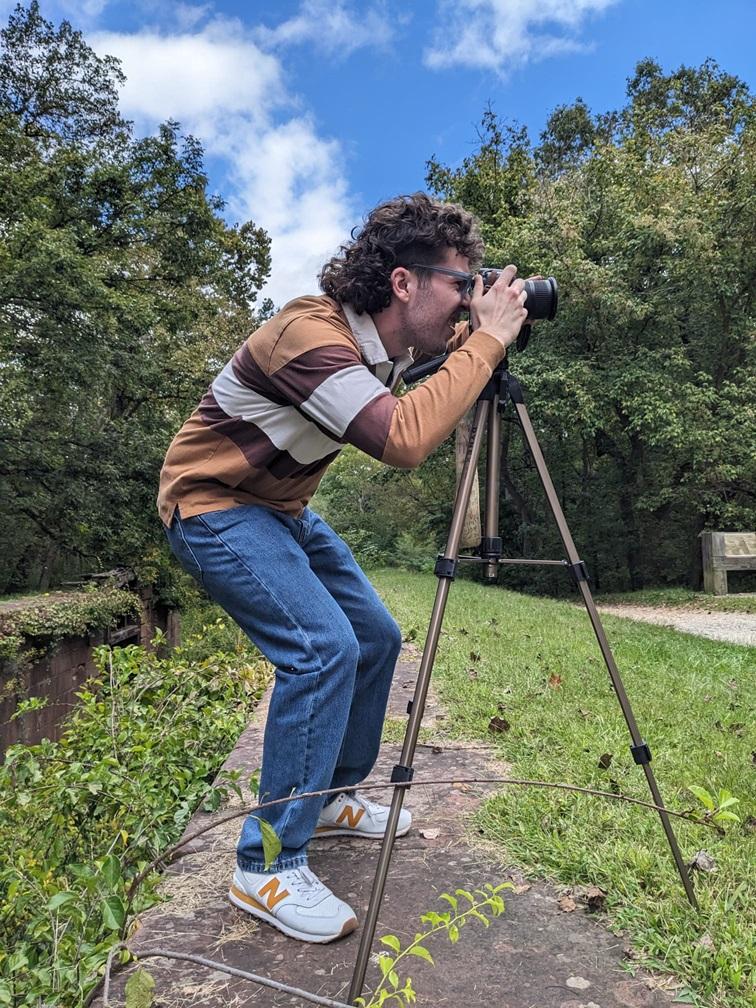
While in Maryland, students meticulously documented and assessed the conditions of the lock houses, using both digital and analog methods, including sketching, photography, and field notes—as well as photogrammetry and LiDAR scans to create a detailed digital model of the structures. Eventually, the students’ lock house documentation will be submitted to the Historic American Buildings Survey (HABS) as part of the Library of Congress.
Following the field visit last fall, two Bachelor of Architecture students, Brooklynn Cnare ('26) and Ellie Slaton ('26), have worked to share their studio’s lock house documentation with the greater university community. First, they developed a two-minute video for the Undergraduate College’s Texas Student Research Showdown, a university-wide competition that tasks undergraduate researchers with explaining their research and its impact to a general audience. Sixty-seven students from across campus submitted 40 videos to this year’s competition, which were judged by a faculty panel that scored submissions on their ability to capture an audience’s attention, tell a narrative, convey rigorous scholarship, and target a general (rather than expert) audience. Cnare and Slaton submitted their video to the Arts, Humanities, and Social Sciences category and took home second place!
Following the video competition, the two will also present their work on Wednesday, April 10, as part of the Longhorn Research Poster Session hosted during Undergraduate Research Week.
Watch the video and learn more about their research at the Longhorn Research Poster Session on April 10.