
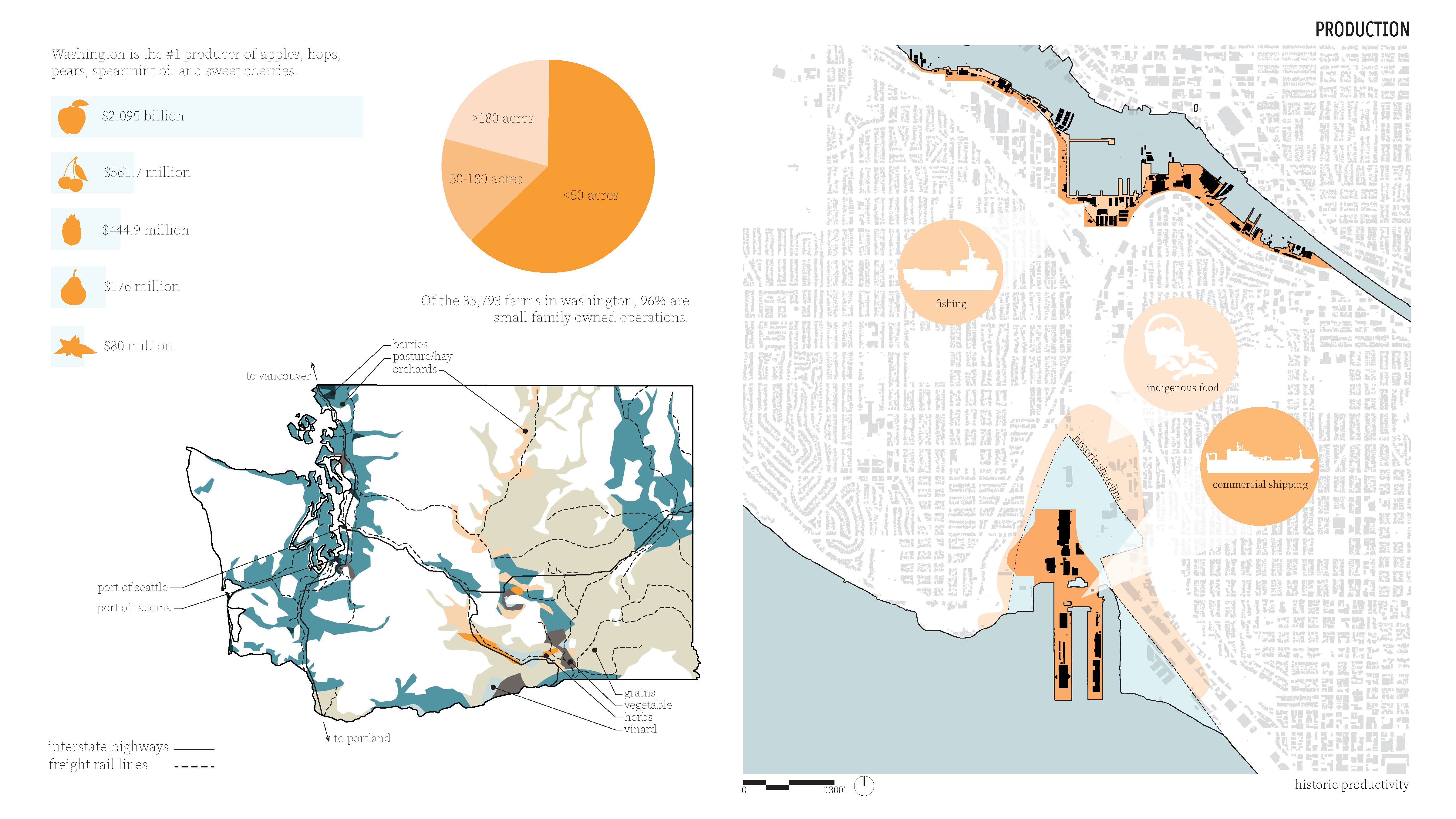
 Expand view for photograph Infographic showing Washington states shellfish industry with icons, pie chart, and labeled map. Pie chart displays value by shellfish type; map details indigenous and commercial activities along coastline and inlets.
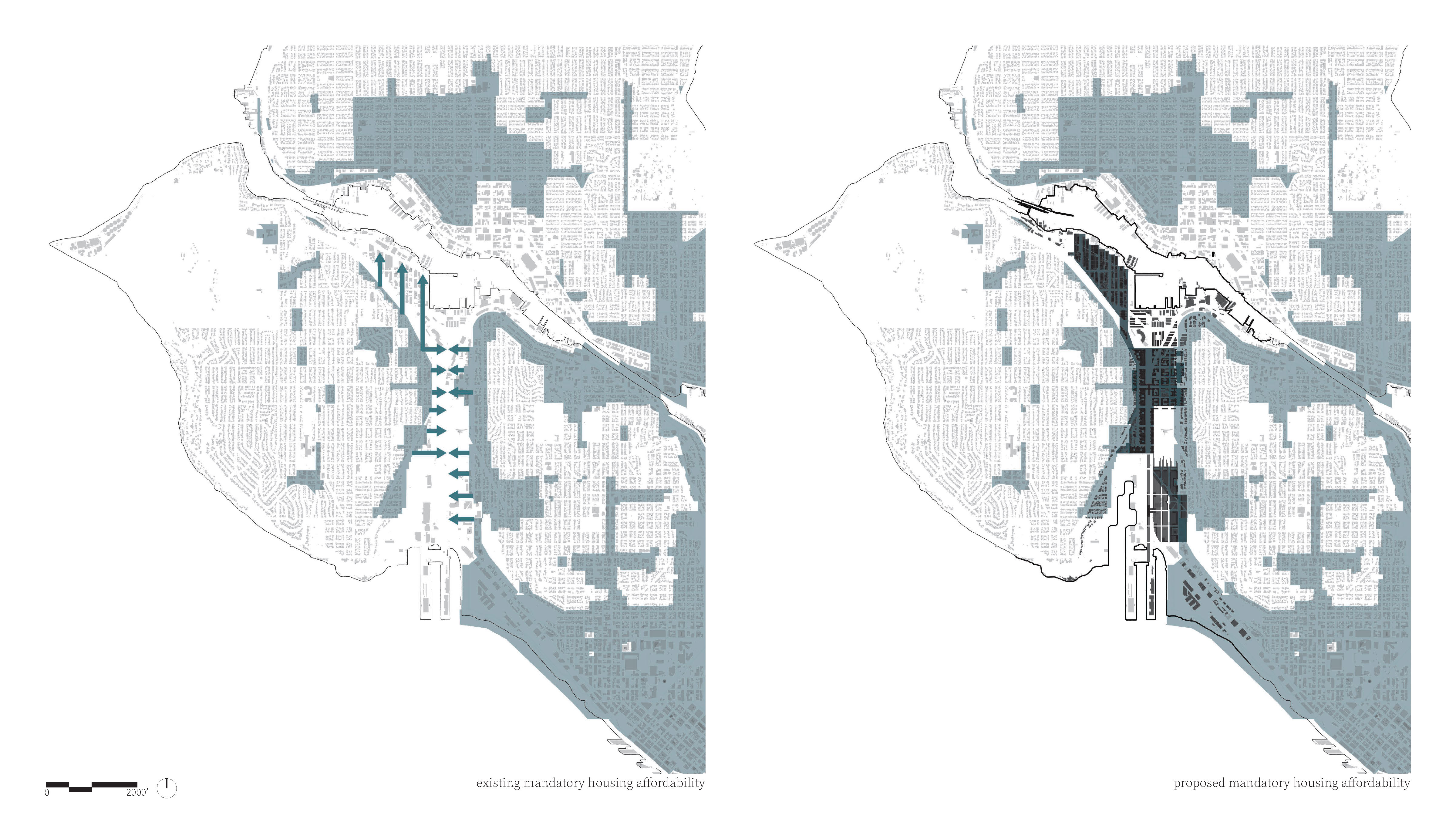 Expand view for photograph Side-by-side maps compare existing (left) and proposed (right) mandatory housing affordability zones in a city, with shaded areas indicating zones affected by affordability requirements.



STUDIO DESCRIPTION
The studio is an interdisciplinary collaboration between incoming post-professional urban design students and second-year landscape architecture students. The studio is engaged in a multi-year exploration centered in the North Western United States.
PROJECT DESCRIPTION
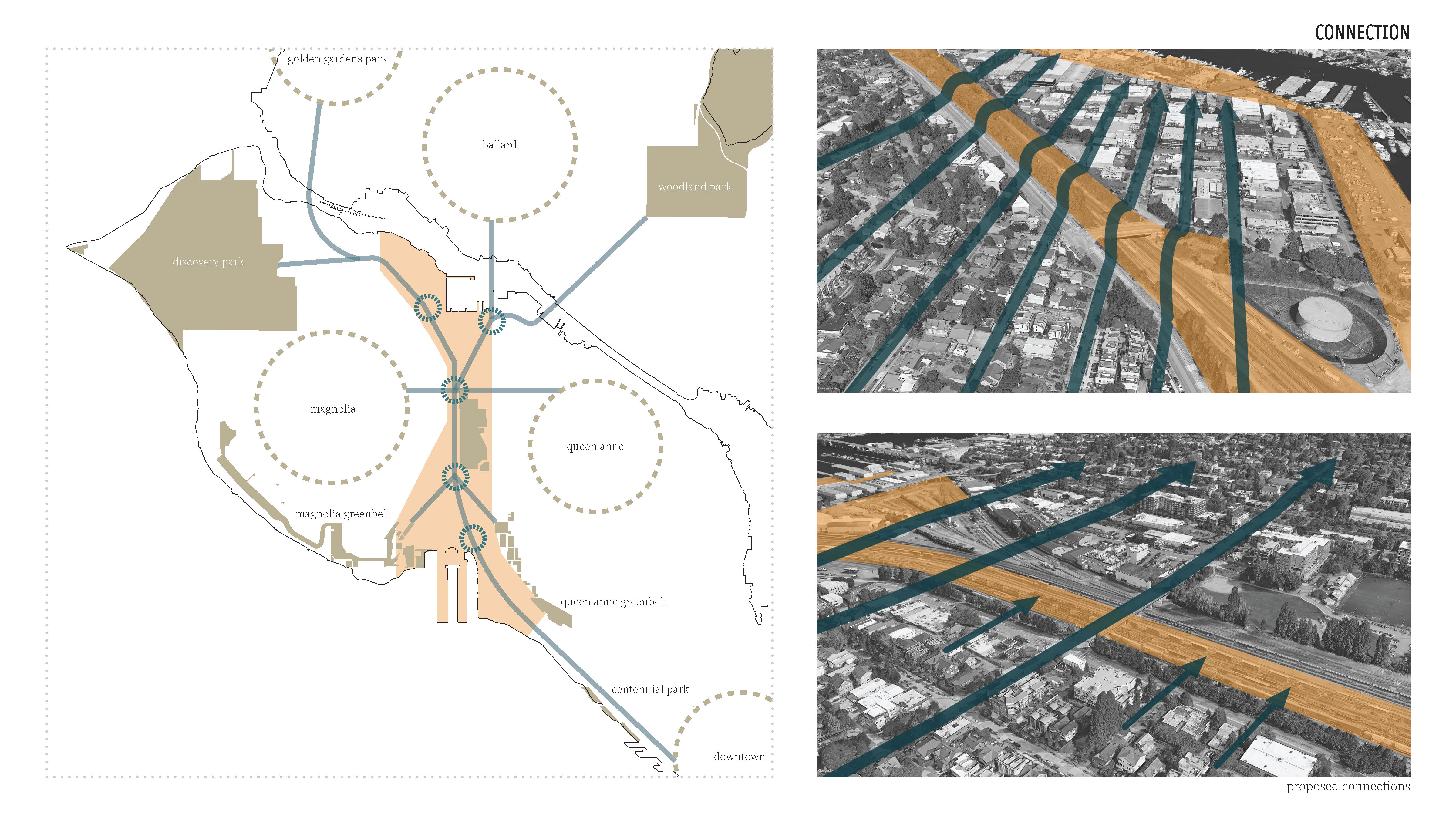
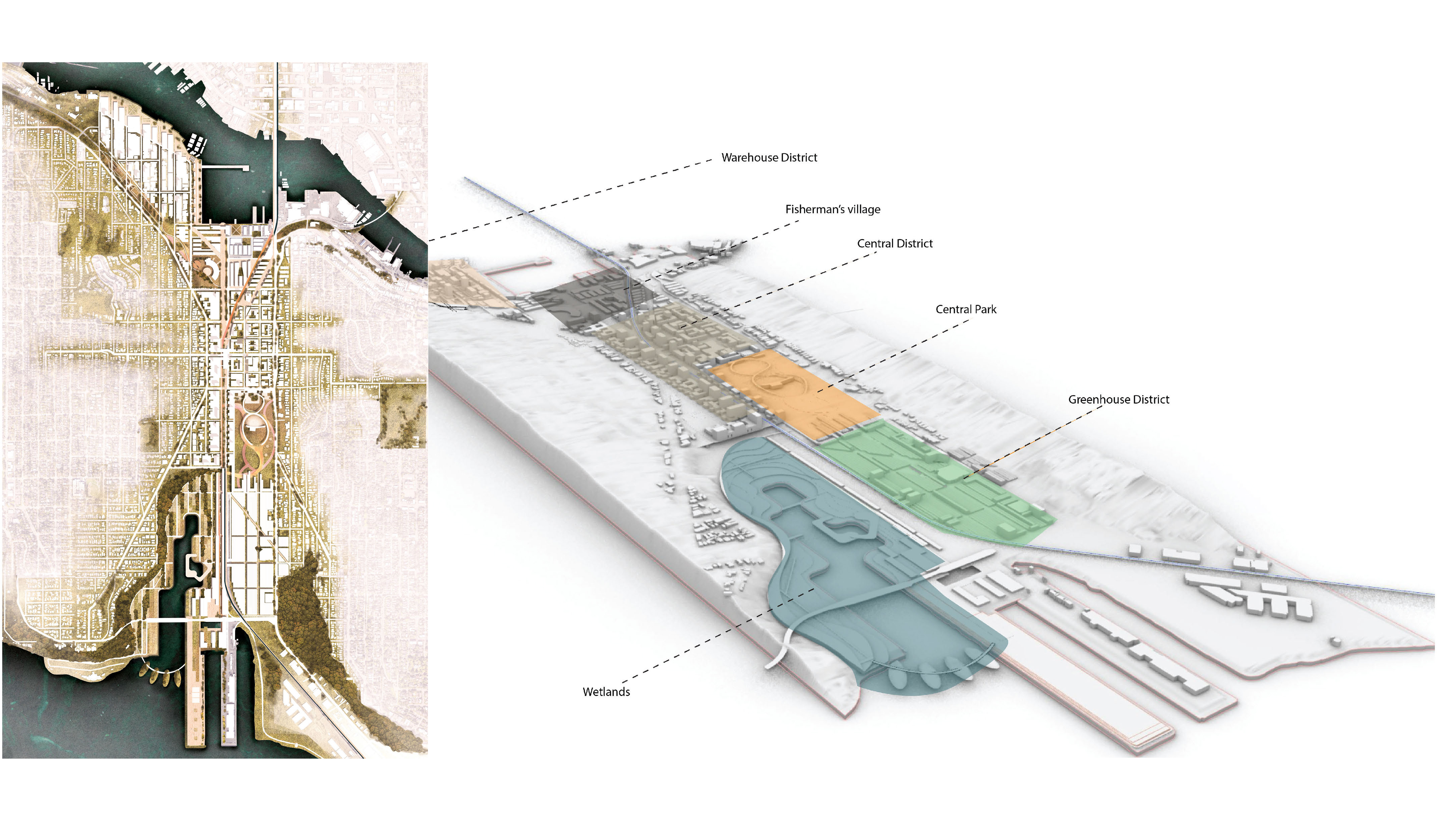
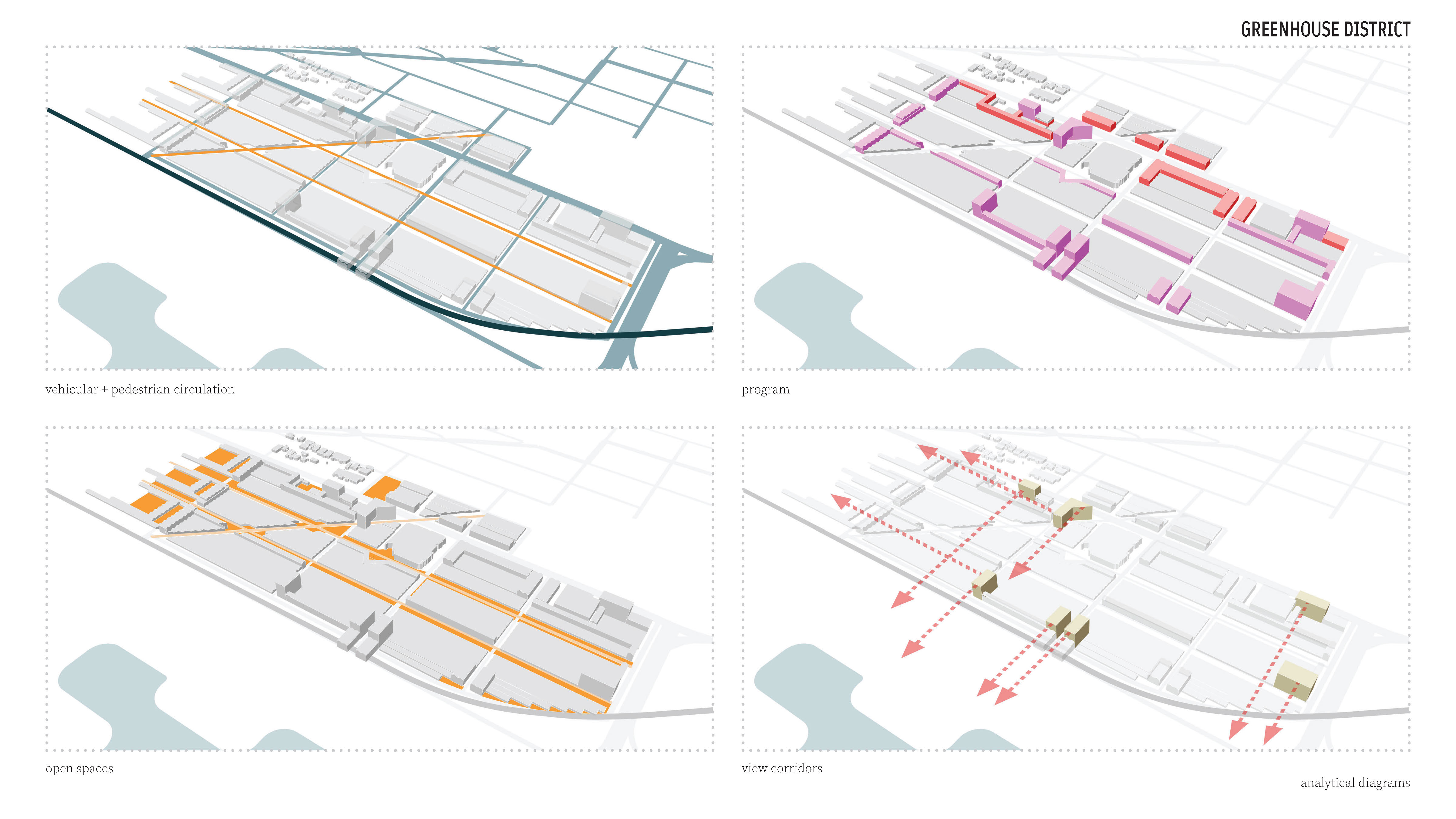
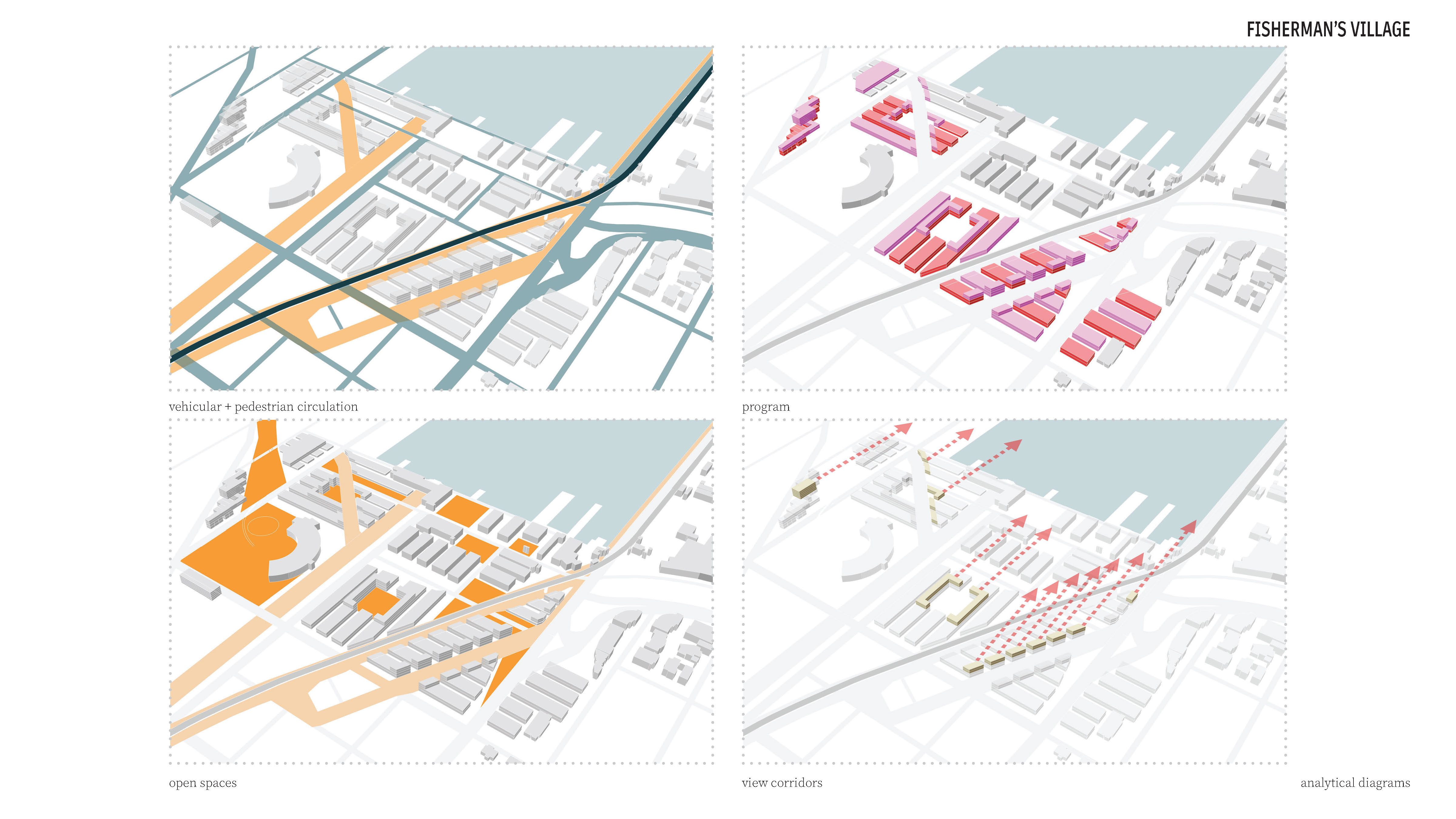
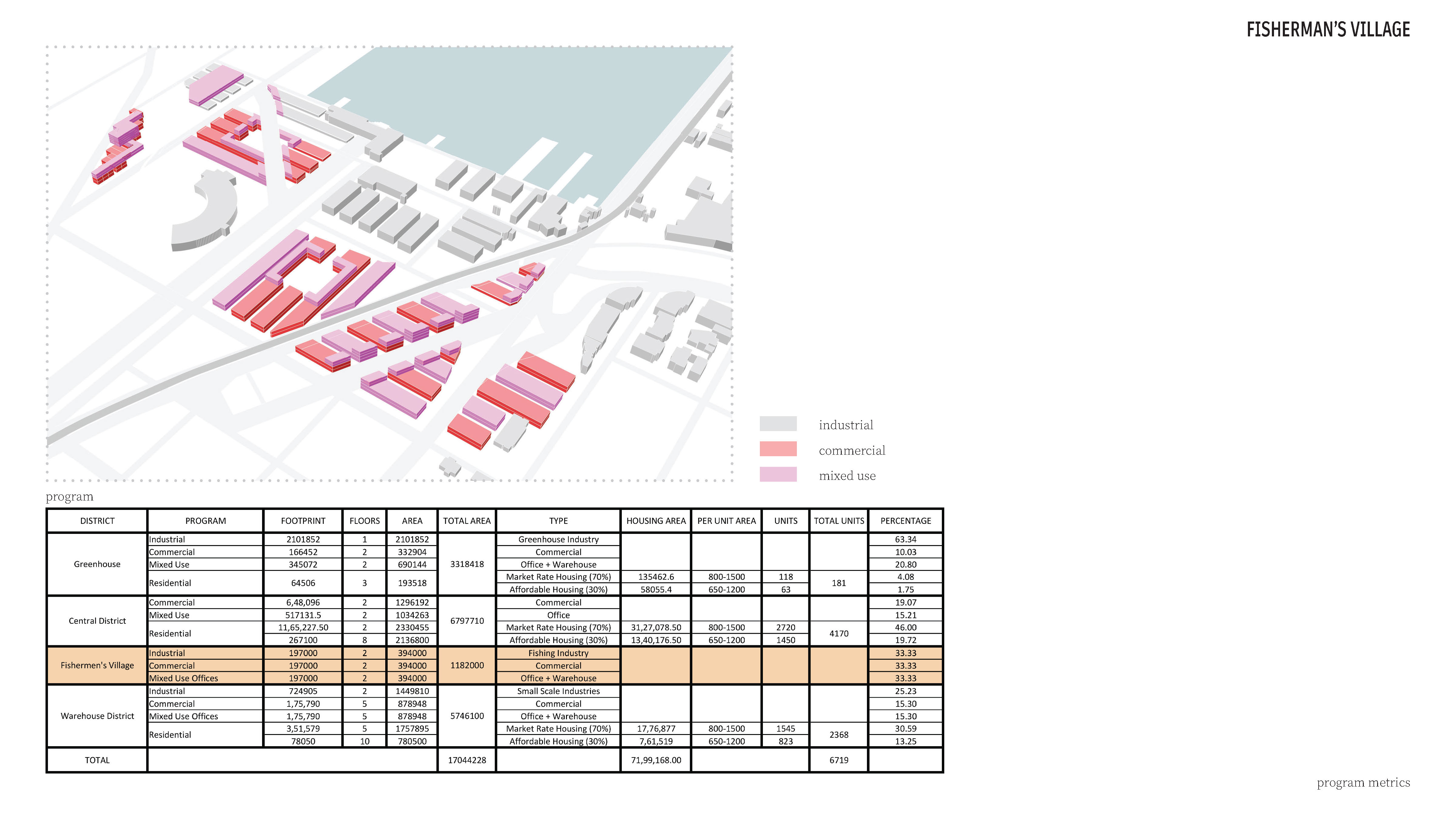
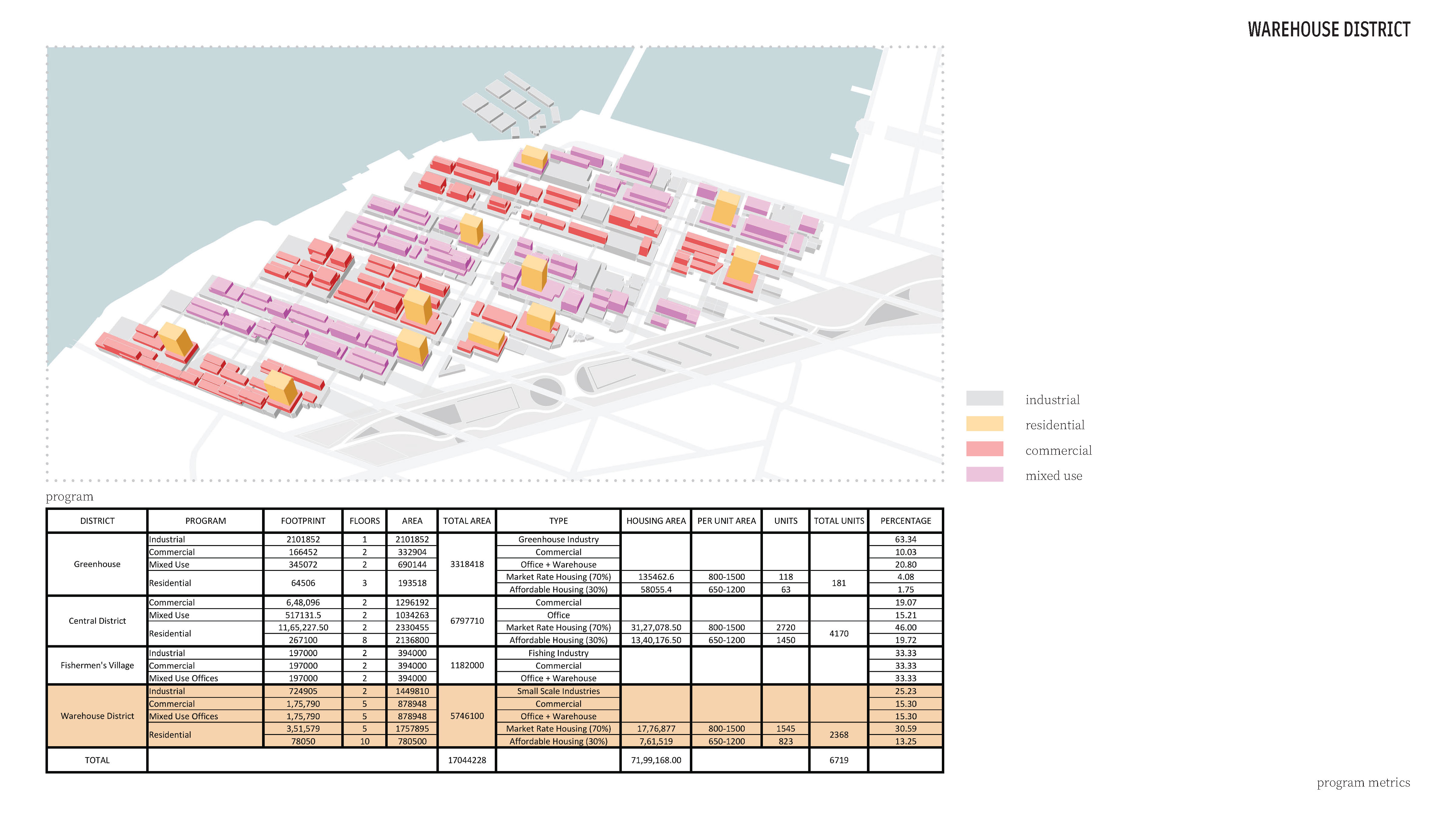
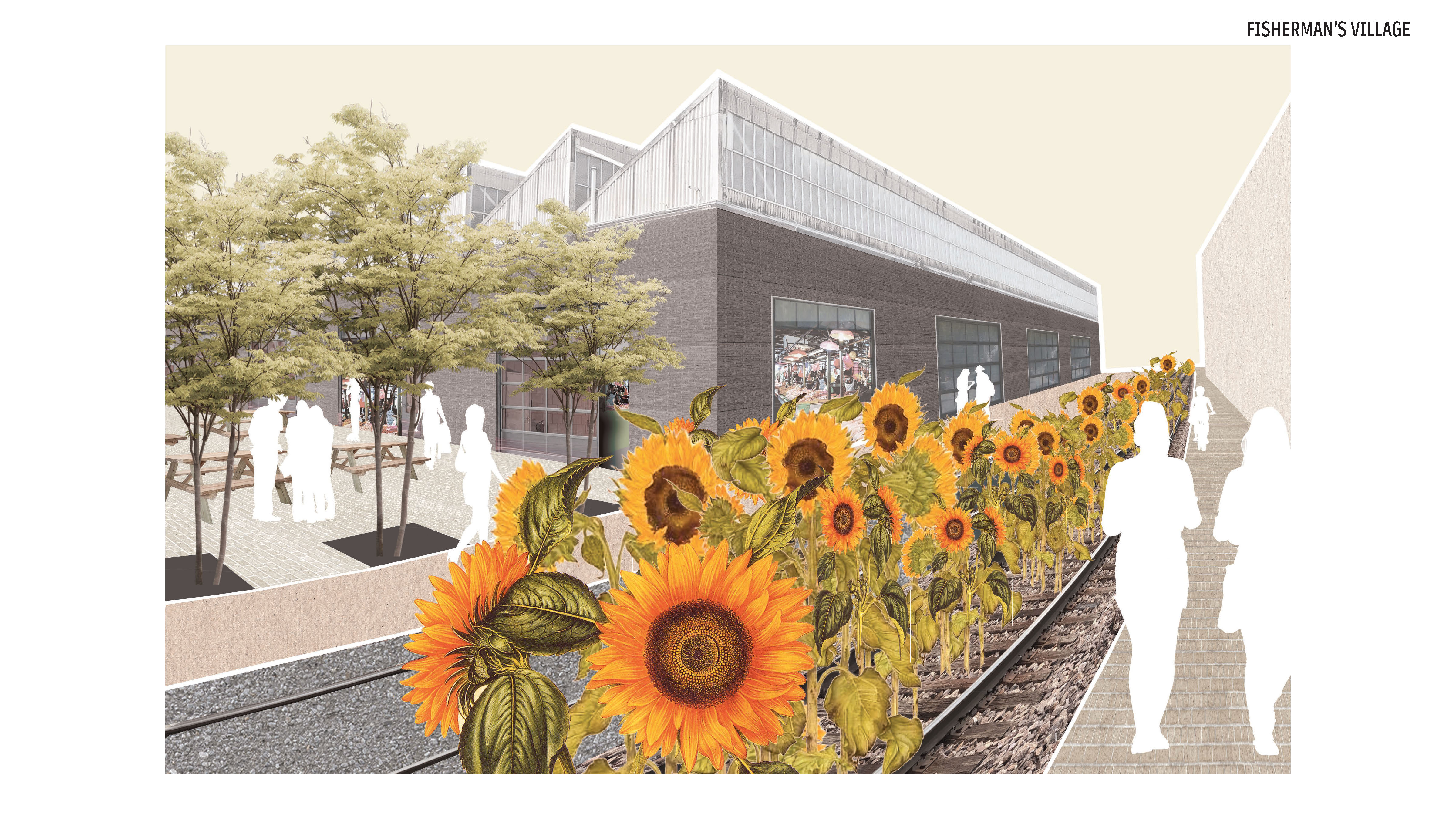
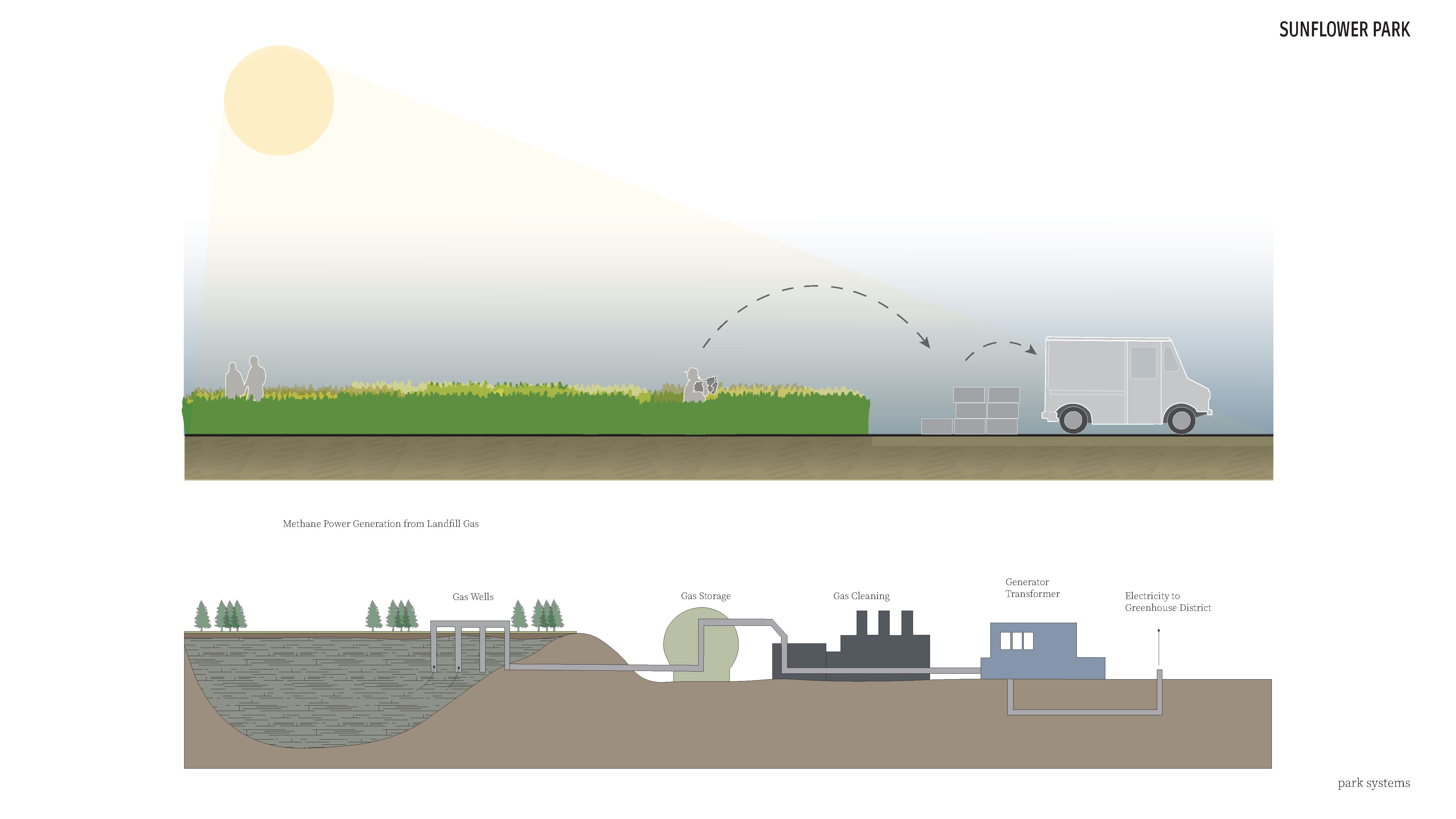
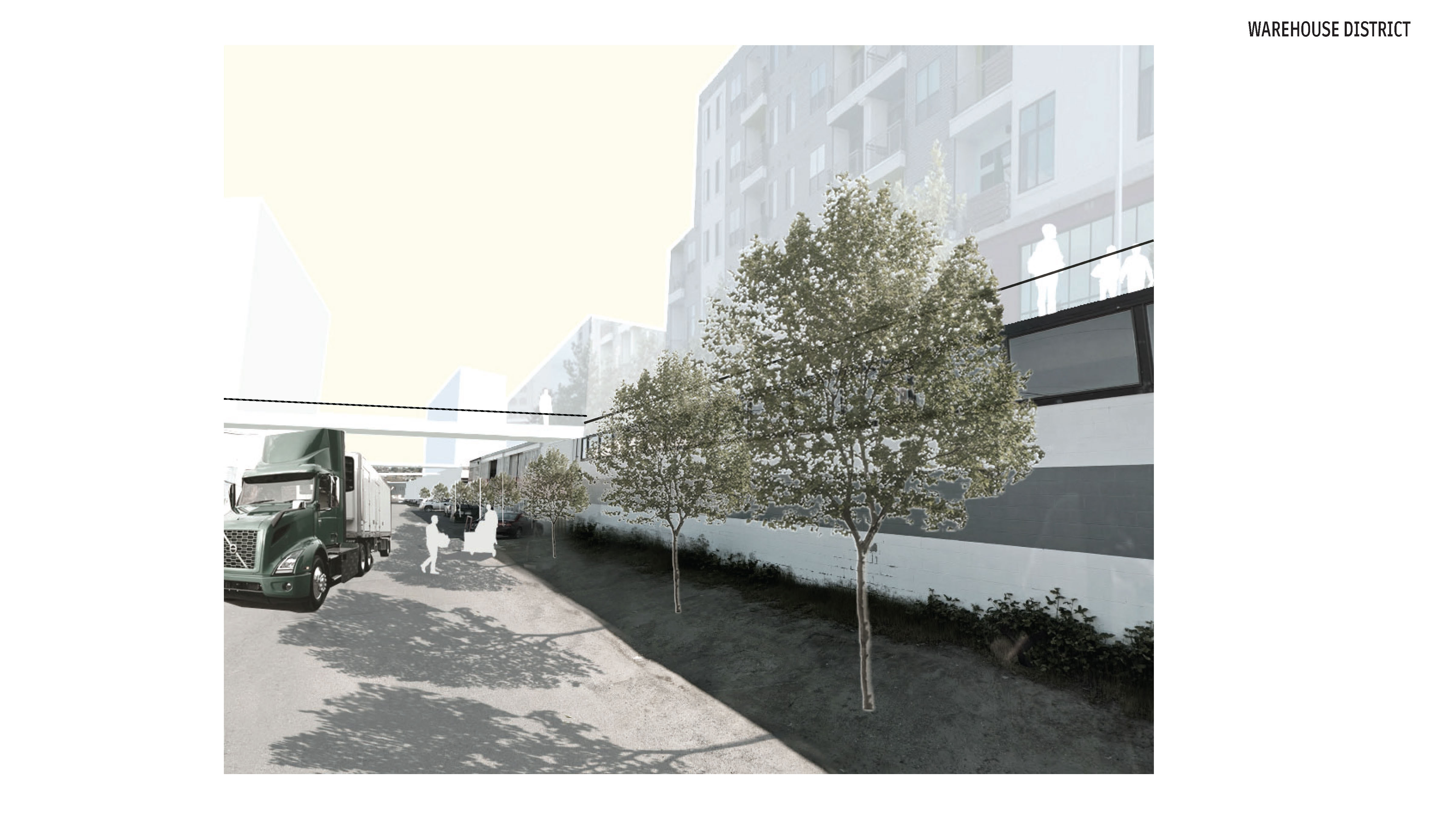
The Interbay neighborhood of Seattle has historically been a site of high productivity. Before white settlers developed the region, the native Salish tribes used the area to hum, fish, and gather food. Today, the area is a hub for the Pacific Nonh West fishing industry and small-scale manufacturing. However, the infrastructure has created an enormous barrier within the city and wreaked havoc on the site's ecology. The Seam proposes to reverse the conditions by reinventing an infrastructure of connections and employing strategies of ecological protection. While retaining the productive identity of the neighborhood.
Fall 2021 Design Excellence Award Winner
Alay Thakar, Aubry Klinger, Ashwini Munji, and Brent Ryndak
Landscape Architecture Studio III
Instructor: Maggie Hansen and Dean Almy
Related work


